From a 40-metre tower on a trunk road to 500 antennas inside a headquarters, Demanlink builds the shared physical layer that every operator runs on. Five capabilities, one neutral host.
Our flexible leasing model keeps carriers connected without owning steel. We site, permit, build and operate the structure, then share it across operators.
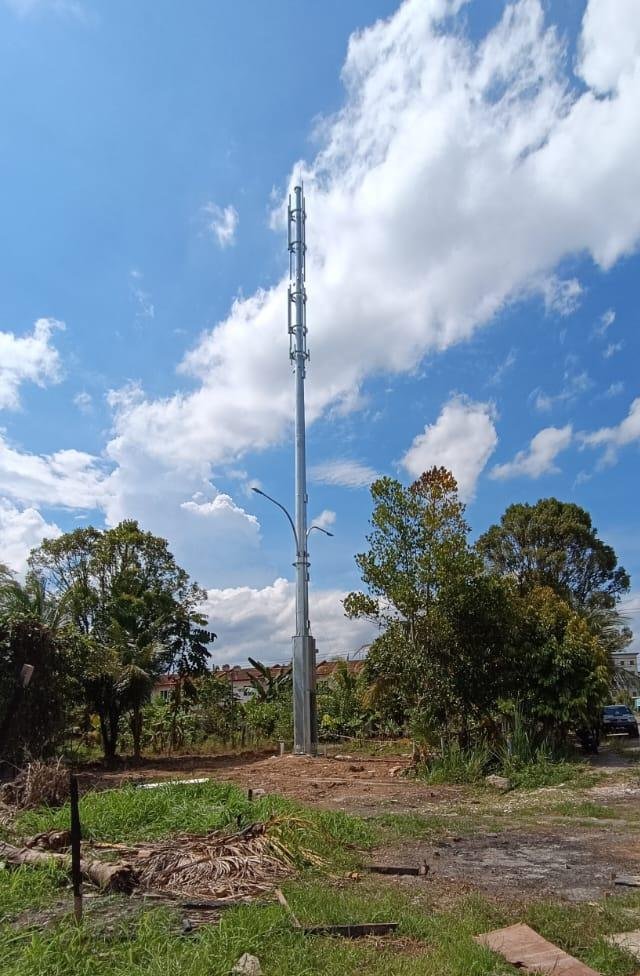
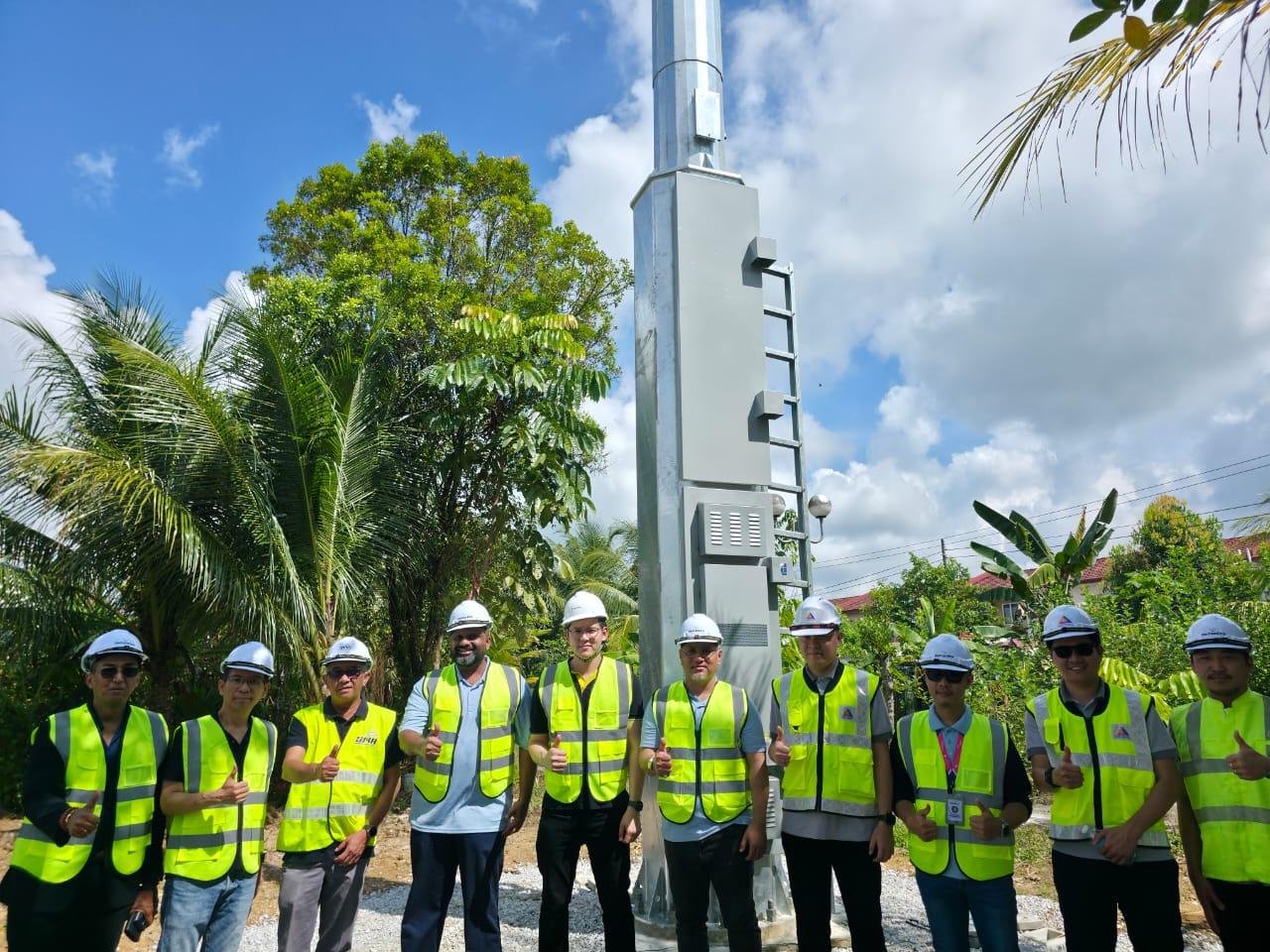
The range: ground-base towers (45–100m, 4–6 tenants), monopoles (30–45m), rapid-deployment structures live in three days, lamp poles and rooftops for dense areas, and 18m 5G smart poles that double as street lighting.
Who it is for: mobile operators expanding along the Pan-Borneo Highway, the Sarawak ART corridor, industrial parks and new townships.
Reliable 5G inside the buildings where it drops out: towers, malls, hospitals and government complexes, delivered without operator capital expenditure.
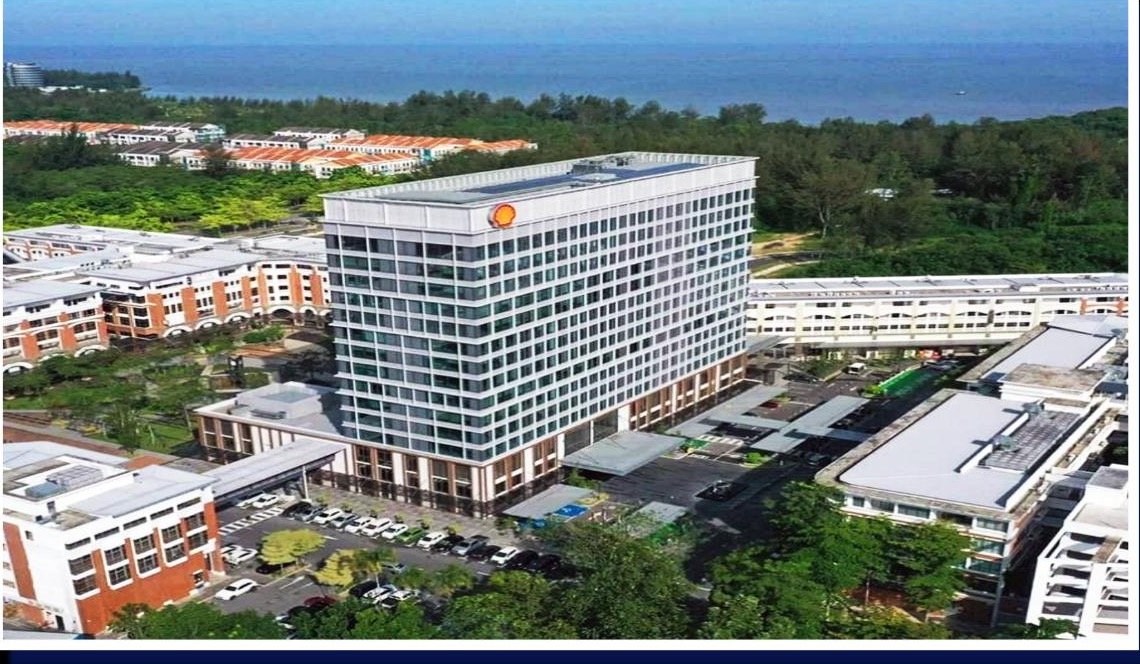
How it works: passive MIMO DAS and active small cells overlay the building floor by floor, prioritising high-traffic zones. Sarawak's first IBC, at One Shell Square Miri, runs 109 5G-ready antennas across 13 storeys.
Who it is for: building owners and operators who need dense indoor capacity for data-heavy work, from corporate HQs to convention centres.
Where macro towers cannot go, small cells fill the gap: concealed antennas, fronthaul fibre and BTS-hotel colocation packed into street furniture.
The detail: an elegant ad-display housing hides a 4G/5G antenna. Operators own the radio equipment, Demanlink owns and manages the infrastructure. Weather-sealed, heat-ventilated, and built to blend into the street.
Who it is for: city centres, transit hubs and campuses that need capacity without visual clutter.
Sites are only as reliable as their power. Demanlink provides energy management and generator backup engineered to keep structures live and service disruption near zero, critical in a state where sites reach far from the grid.
We partner with fibre leaders to deliver IP-based backhaul to every structure. Sites ship pre-fiberised, so 5G colocation and infill coverage are ready from day one rather than months later.
We plan a district the way an operator would, matching the right structure to each stage of rollout.
Ground-base towers and monopoles carry the backbone across sub-urban and rural Sarawak, 4–6 tenants per structure.
Rooftops and lamp poles fill the gaps at street level in denser areas, blending into the environment.
Rapid-deployment structures and trellises reach the hardest spots, with zero-footprint installs live in three days.
Every deployment starts with the district, the terrain and the operators involved.
Plan a deployment